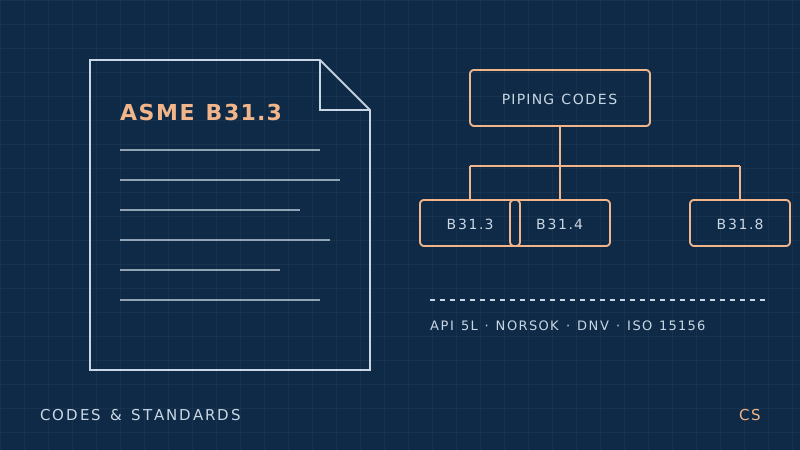
B31.3, B31.4 or B31.8: Which Code Governs Your Line?
Plant piping, liquid pipelines and gas pipelines each have their own ASME code. Here is where one ends and the next begins, and why the boundary matters.
Level
Plant piping, liquid pipelines and gas pipelines each have their own ASME code. Here is where one ends and the next begins, and why the boundary matters.
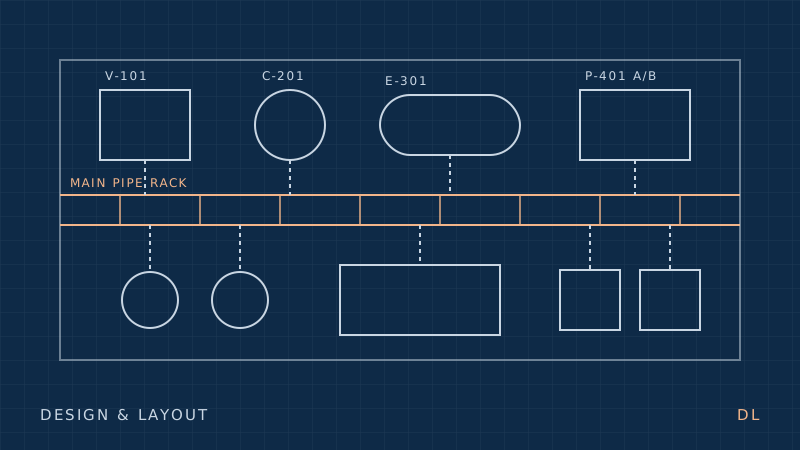
Every flange, valve stem and drain point is a potential source of release. Zoning tells you where flammable gas may be present, and good layout keeps those zones small.
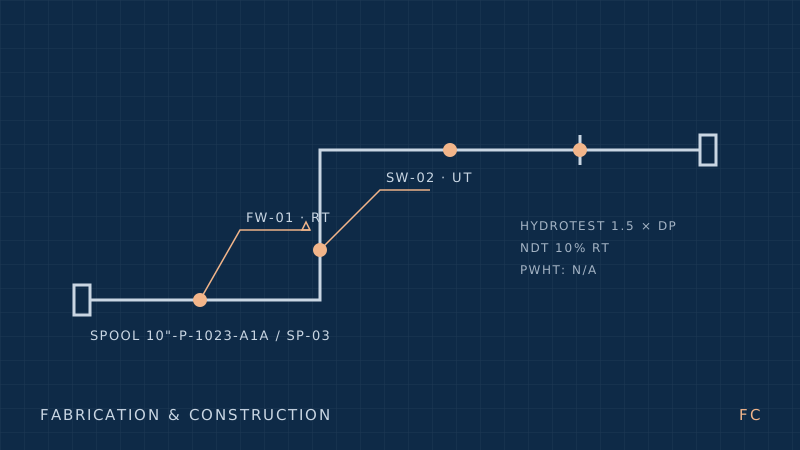
Every new piping system is pressure tested before it goes into service. Water is the default because it stores little energy; gas testing is allowed only when water is impractical, and with extra precautions.
Pipe size names are a legacy of the 1920s, and they still confuse new engineers. Here is how NPS, outside diameter and schedules fit together.
The P&ID is the contract between process and piping. Learn the handful of details that matter most when you turn it into a 3D model and isometrics.
Most piping is built in a shop as spools and welded together on site. Here is the journey of a spool, and where things usually go wrong.
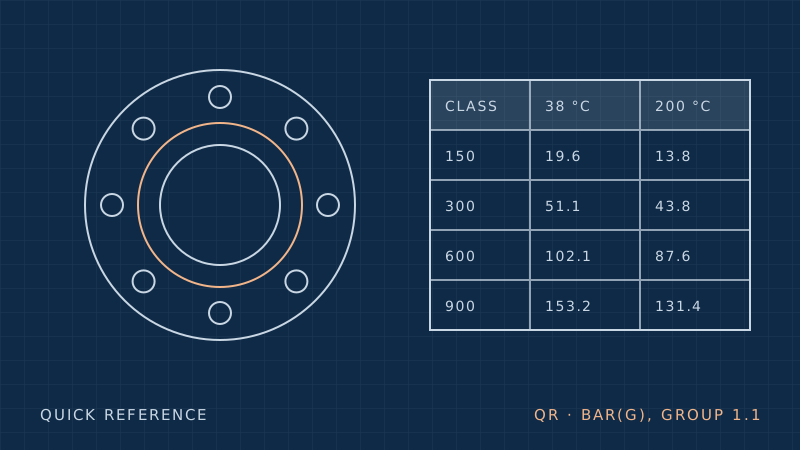
A Class 150 flange is not rated for 150 bar or even 150 psi at every temperature. Here is how pressure classes, material groups and temperature combine.
Every line on a P&ID points to a piping class. Here is what sits inside that class and how to read one without getting lost.
An isometric is the drawing a fabricator builds from and an inspector signs off. Here is how to read one: coordinates, welds, spools, supports and the material list.
Most process piping is carbon steel, but not all carbon steel pipe is the same. Here is how the common grades differ and how to match pipe, fittings and flanges.