Common Piping Abbreviations: A Quick Glossary for New Engineers
Piping documents are full of three-letter abbreviations. Here are the ones you'll meet in your first month on a project, grouped by where you'll see them.
Environment
Piping documents are full of three-letter abbreviations. Here are the ones you'll meet in your first month on a project, grouped by where you'll see them.
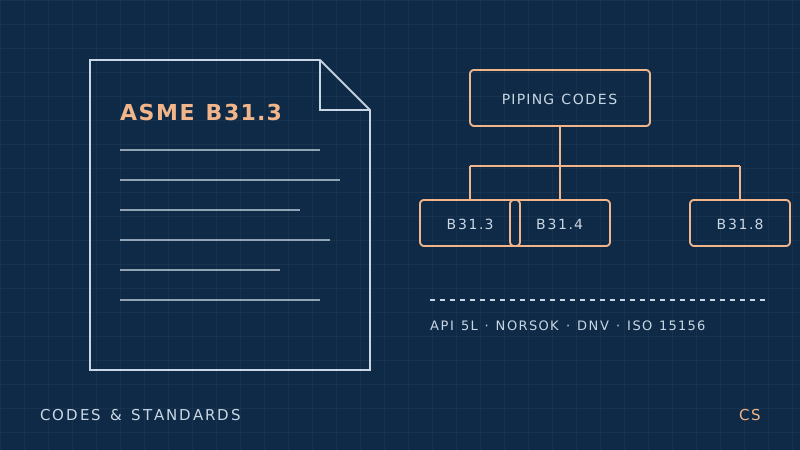
API 5L pipe comes in two product specification levels. PSL2 adds toughness testing, tighter chemistry and more control, and many projects require it by default.
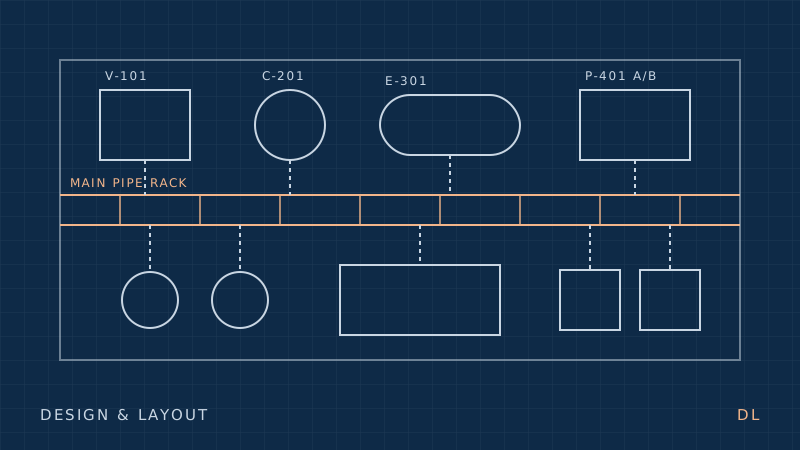
Most pump problems that look mechanical start in the piping. A short, smooth suction and a well-supported discharge make the pump's life much easier.
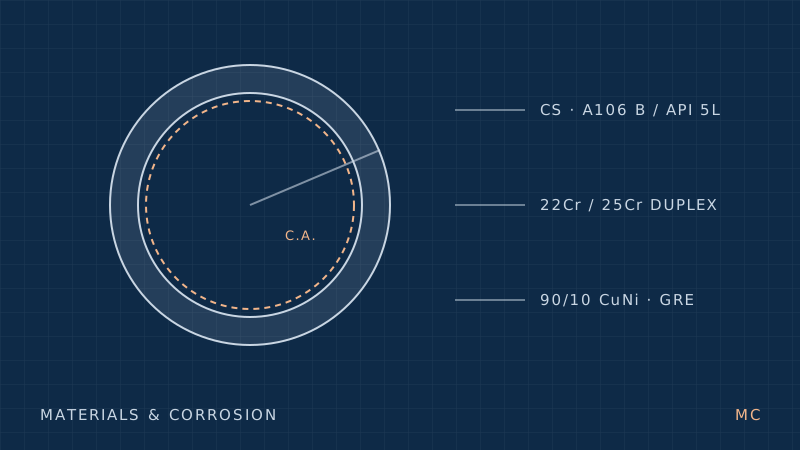
Duplex steels give strength and corrosion resistance at a sensible weight, which is why offshore topsides use so much of them. Getting the welding right is the hard part.
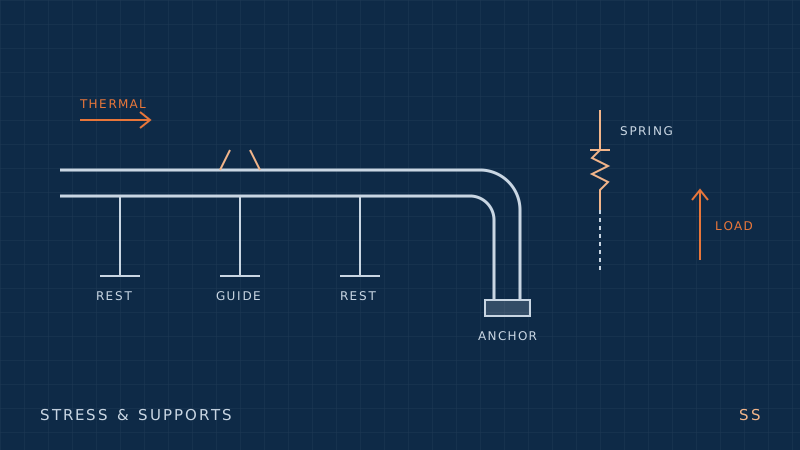
In two-phase lines, slugs of liquid travel at gas velocity and hit every bend. The resulting forces can shake a line off its supports if they aren't designed in.
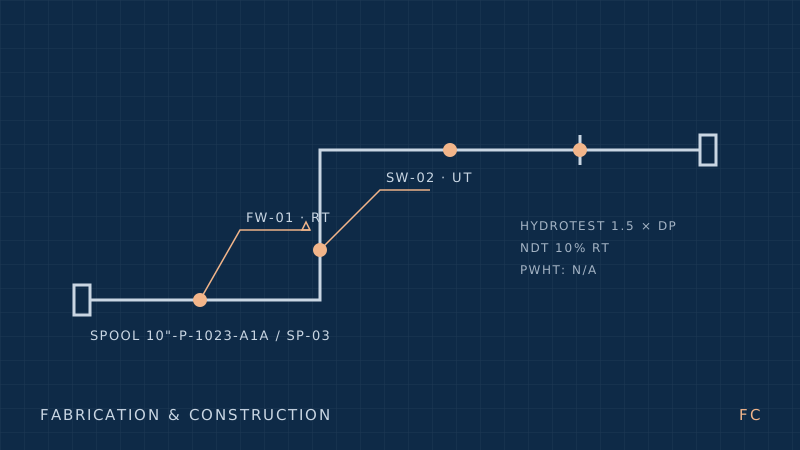
Each examination method finds different defects. Knowing what each can and can't see helps you read an inspection plan and choose the right test.
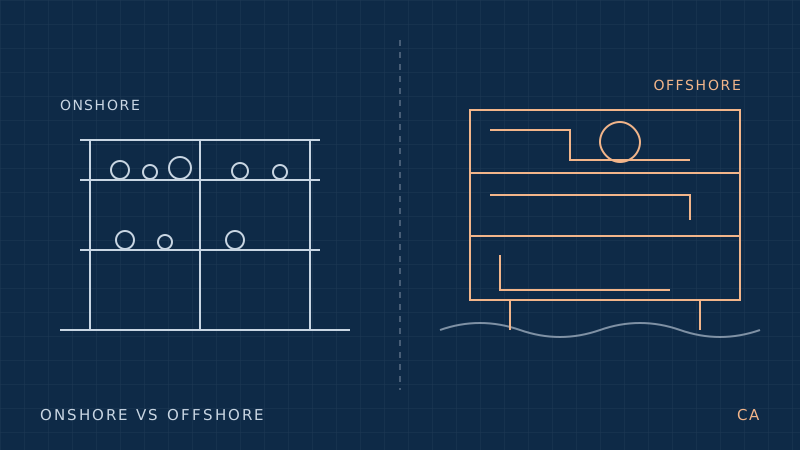
Flare headers collect relief from the whole facility. They must drain liquid, handle extreme temperatures and avoid vibration, and the layout challenges differ between a plant and a platform.
Each valve type is good at one job and poor at others. A one-page guide to what each is for, how it is shown on a P&ID, and where it is used.
Offshore projects add a layer of NORSOK and DNV standards on top of ASME. Here are the ones a piping engineer meets most often and what each one controls.
Corrosion allowance is the extra wall added for metal loss over the plant's life. It works well for uniform corrosion and very poorly for almost everything else.